
Freedom at What Cost? Ndileka Mandela on Family, Sacrifice and Her Grandfather’s Legacy
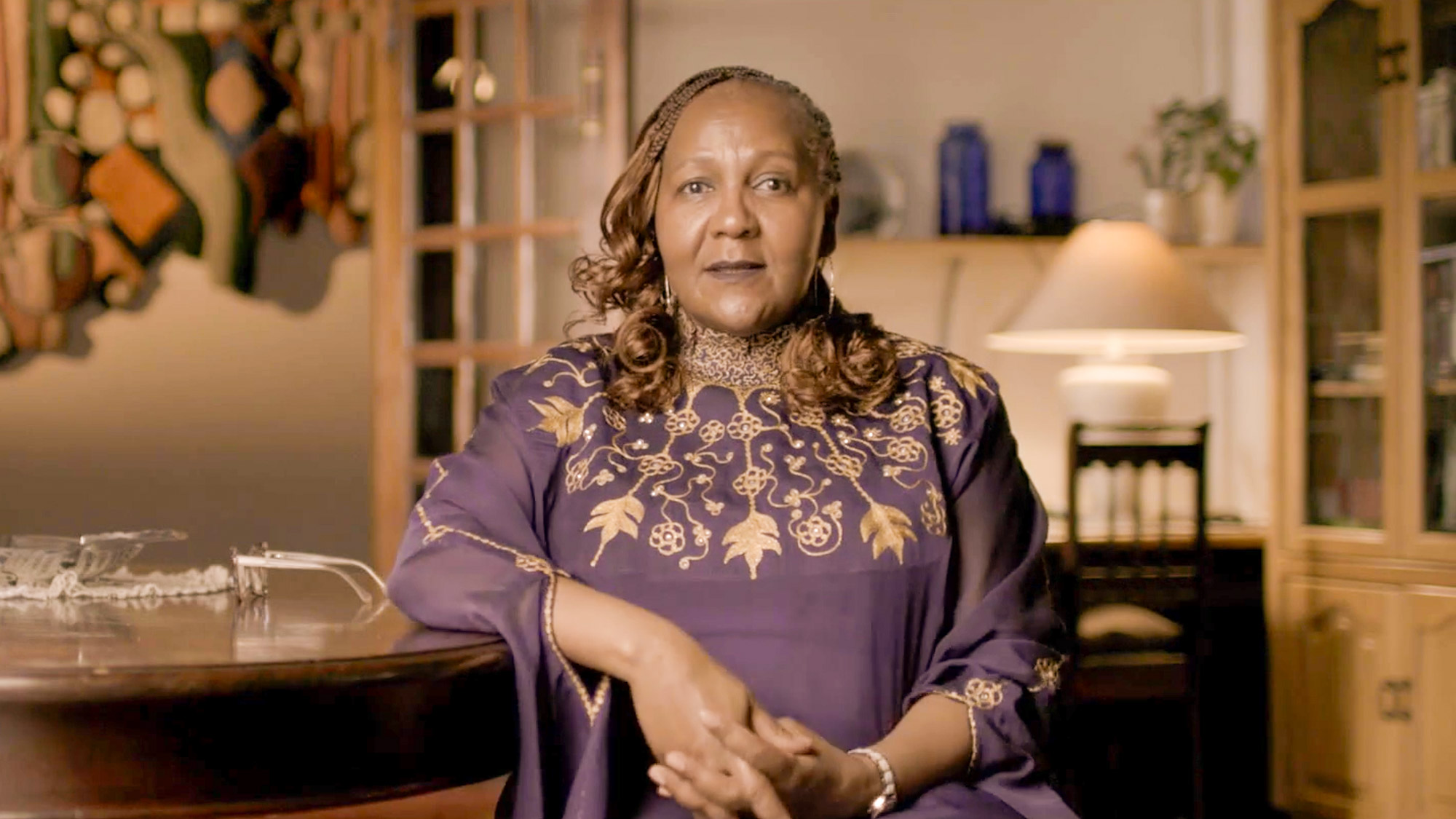
Ndileka is the granddaughter of Nelson Mandela. She first met her grandfather when she visited Robben Island for the first time at age 16. She would carry on visiting him throughout the remainder of his time in RI, Pollsmoor and Victor Vorster. Ndileka was in the room when he told the family he would be released.
1. This documentary series frames Nelson Mandela’s story as a global fight to free him. As his granddaughter, what makes that struggle feel important to revisit now?
The struggle feels more important now as there are many communities that are struggling to be free. The global community is at a precipice of an abyss if one had to look at gender-based violence and the struggles of Palestinian people to cite just two examples.
2. The documentary places music at the heart of the story, showing it as protest and mobilisation. What did that music mean to you growing up, and why do you think songs like “Free Nelson Mandela” connected so strongly with people?
Honestly-speaking, I believe music is a universal language. It matters not if one understands the lyrics, if one connects with the beat and rhythm, one is elevated to an altered state of mind where anything is possible. I believe more than the theme of the song, people related to the beat.
3. The film shows Mandela moving from activist to prisoner to global symbol. How do those different chapters shape your own understanding of him, both as a historical figure and as your grandfather?
There is only one chapter of him to me…Grandfather, period. Grandad never stopped being an activist. Through politics, he was able to magnify his fight for justice and equality. If I had to categorise his character, I would say he was a SOCIAL JUSTICE ACTIVIST par excellence.
4. The series also shows the human cost of imprisonment for Mandela and his family. What do you think people still don’t fully understand about what that cost looked like for your family?
People don’t fully grasp the price we have paid with the choices he made. If one has to look at the African household, the father is the head of the family, he provides, he protects. My family was robbed of that. Coupled with that Dad and my Uncle never had a strong role model growing up which altered the trajectory of our family. We are still paying that price because, even after he was released, he became the father of the entire world. So, in essence, we were robbed of him again.
5. The Anti-Apartheid Movement and mass public activism were central to the campaign. From your perspective, how important was ordinary public pressure in shifting the political landscape?
It was absolutely critical. It was that ordinary public pressure that brought the apartheid system crumbling through economic sanctions. 1976, was the pivotal point in that system crumbling and it was by high school children armed with stones…ordinary people
6.When people hear “Free Nelson Mandela” today, what do you hope they understand beyond the slogan, both about the struggle and about the man you knew through your family?
I hope it can mean that the ability to change anything starts with self. Grandad became the change he wanted to see by changing his ultra military stance. Sometimes softness, just like water can permeate a mountain through persistence, so can human beings achieve a lot by a more subtle approach.
Free Nelson Mandela is now streaming on Channel 4 in the UK and will be distributed internationally by BBC Studios.
